




By Cenango | AI & Digital Transformation
Are you confused about conversational AI and chatbots? You’re not alone. Many business leaders wonder which one they really need.
Here’s the simple truth. All conversational AI systems are chatbots. But not all chatbots are conversational AI. Knowing this could save your company thousands of dollars and hours of headaches.
Let’s break down what makes them different. And find out which one fits your business needs.
What's the Real Difference?
Think of old chatbots like a phone menu. They spot keywords and give set responses. Ask the same question a different way? You’ll see “I don’t understand.” Or they’ll send you to a human agent.
Conversational AI is completely different. It’s like having a smart helper who actually gets what you mean. It understands context. It learns from every chat. And it handles complex talks with ease. It uses natural language tools, machine learning, and smart systems to chat like a real person.
Traditional Chatbots: The Basics
Old-style chatbots work on simple rules. They follow decision trees and if-then logic. Here’s what that looks like:
How They Work:
– Use set keywords and phrases
– Follow fixed chat paths
– Give scripted answers only
– Need manual updates for new cases
Best Use Cases:
– Simple FAQ answers
– Basic booking tasks
– Form fills
– Direct info requests
What They Can’t Do:
– Get context or intent
– Handle typos or word changes
– Deal with complex questions
– Work without constant updates
The big issue? These bots break down fast. They can’t adapt or learn. And they frustrate users who want real help.
Conversational AI: The Smart Choice
Conversational AI is a major leap forward. It doesn’t just match words. It actually gets what users mean.
Core Powers:
– Works in many languages
– Remembers the whole chat
– Senses user feelings and mood
– Learns and improves over time
– Links to your business systems for live data
Where It Shines:
– Customer service across all channels
– Employee help and HR support
– Sales team assistance
– Tech troubleshooting
– Product tips and recommendations
The real power? It gets better every day. It learns from each chat. No extra coding needed.
How Each One Actually Works
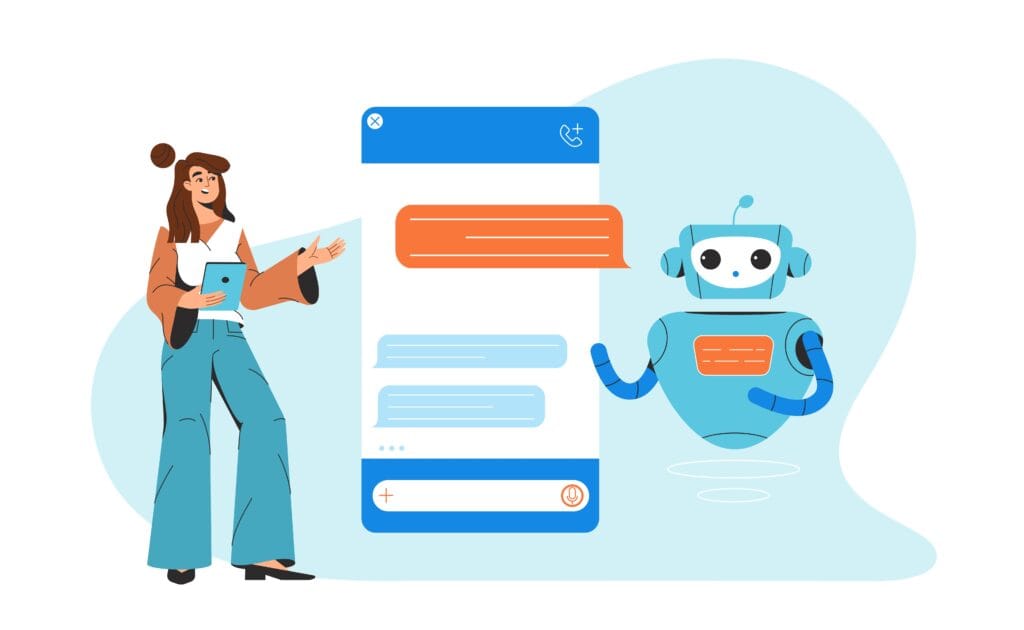
Let’s look at the tech behind the scenes.
Traditional Chatbots:
These bots match keywords. Simple as that. A user types “I want to check my order.” The bot scans for “check” and “order.” Then it gives a pre-set answer.
But change the words to “Where’s my package?” The bot might fail completely. It wasn’t coded for that exact phrase. Users get stuck and annoyed.
Conversational AI:
This uses several smart technologies at once. Natural language tools break down what users say. Machine learning spots intent. Even when words differ. Dialog systems remember the whole chat. Entity tools find key details like names and dates.
All these parts work together. The result? Natural, helpful chats that actually solve problems.
Real-World Example
Let’s see how each handles a common customer question.
Customer Says: “I ordered a laptop last week. But I haven’t received any shipping updates. Can you help me?”
Traditional Chatbot:
“I’m sorry. I don’t understand. Please select:
- Track an order
- Return a product
- Speak to an agent”
The customer must start over. Pick option 1. Then enter their order number. Even though they already explained everything.
Conversational AI:
“I’d be happy to help track your laptop from last week. I can see you’re [Name]. You placed order #12345 on [Date]. Let me check now. Your package is in transit. It arrives tomorrow by 5 PM. Want me to text you updates?”
See the difference? Conversational AI knew the customer. Understood their need. Checked the systems. And offered a solution. All without making them repeat things.
Cost Breakdown for Your Business
Both options need investment. But the total cost picture looks very different.
Traditional Chatbots:
Lower cost to start. But the ongoing costs are much higher. Every new situation needs manual coding. As your business grows, the bot needs endless updates. Many companies hire dedicated teams just to keep these running.
Conversational AI:
Higher upfront investment. But maintenance costs drop dramatically. The system learns on its own. As it handles more chats, it gets smarter. Most mid-size firms see better returns within 12-18 months. Though results vary by industry.
Think about it this way. Would you rather pay less now and more forever? Or invest more upfront and save big over time?
Integration: Why It Matters
Modern companies don’t work in separate boxes. Your tech tools shouldn’t either.
Traditional chatbots offer basic connections through APIs. But they lack real intelligence. They can get data but can’t truly use it in smart ways.
Conversational AI is built to connect. It links easily with your current systems. It pulls customer data from your CRM. It checks inventory in real time. It processes payments. It creates support tickets. And it updates records. All while having a natural chat with your customer.
This integration power changes everything. Your customers get instant, accurate help. Your team gets freed up for complex issues.
Which One Should You Pick?
Not every business needs conversational AI. Here’s an honest guide:
Pick Traditional Chatbots If:
– You have very simple, predictable questions
– Your chat flows rarely change
– Your budget is extremely tight
– You’re testing automation for the first time
Pick Conversational AI If:
– You handle complex, varied customer chats
– You need support in many languages
– Customer experience is a key differentiator
– You’re ready to scale support in a big way
– System connections are crucial
– You want tech that improves over time
Be honest about your needs. Think long-term. Consider where your business is heading.
How to Get Started Right
Whether you pick chatbots or conversational AI, you need a solid plan.
Start by mapping your most common customer interactions. Check your support tickets and chat logs. Find the patterns. Spot the pain points.
Set clear success goals. Don’t just track automation rate. Track customer happiness scores. Measure resolution time. Calculate cost per interaction.
For conversational AI, invest real time in quality training data. The system learns from examples. Feed it actual customer chats. Include the good and the bad. This helps it learn your specific business language.
Also think about your team. How will you train them? How will they work with the AI? Make sure humans and AI work together well.
The Future of Customer Service
The gap between old bots and conversational AI keeps growing fast. As AI technology improves, smart systems will handle even more complex tasks. They’ll understand more languages. They’ll sense emotions better. They’ll predict what customers need before they ask.
Meanwhile, traditional chatbots will stay stuck. Limited by their rules. Unable to grow or adapt.
Smart companies are investing in conversational AI right now. They’re building the foundation for tomorrow’s customer service. Voice assistants, proactive support, and truly personal experiences all build on conversational AI powers.
Your Next Step Forward
Understanding the difference between these technologies is just the beginning. The real question is: What level of customer experience do you want to deliver?
If you’re aiming for basic automation only, old chatbots might work for now. But if you’re serious about transforming customer interactions, cutting real support costs, and building lasting competitive advantage, conversational AI is the clear choice.
The technology exists right now. Today. It can create truly helpful, genuinely smart automated experiences. Experiences that customers actually enjoy. Experiences that solve real problems.
The only remaining question is: Is your company ready to embrace it? Are you ready to lead in customer service? Or will you watch competitors pass you by?
The choice is yours. Choose wisely.