





By Cenango | AI & Digital Transformation
Customer service is changing fast. Gone are the days of waiting hours for email replies or sitting on hold. Today, smart AI chat systems help businesses talk to customers instantly, any time of day.
The market is growing quickly. It reached $14.79 billion in 2025 and will hit $17.97 billion in 2026. Even better, these AI systems will save call centers $80 billion this year, according to Gartner research.
Let’s look at the top companies leading this change.
What Is Conversational AI?
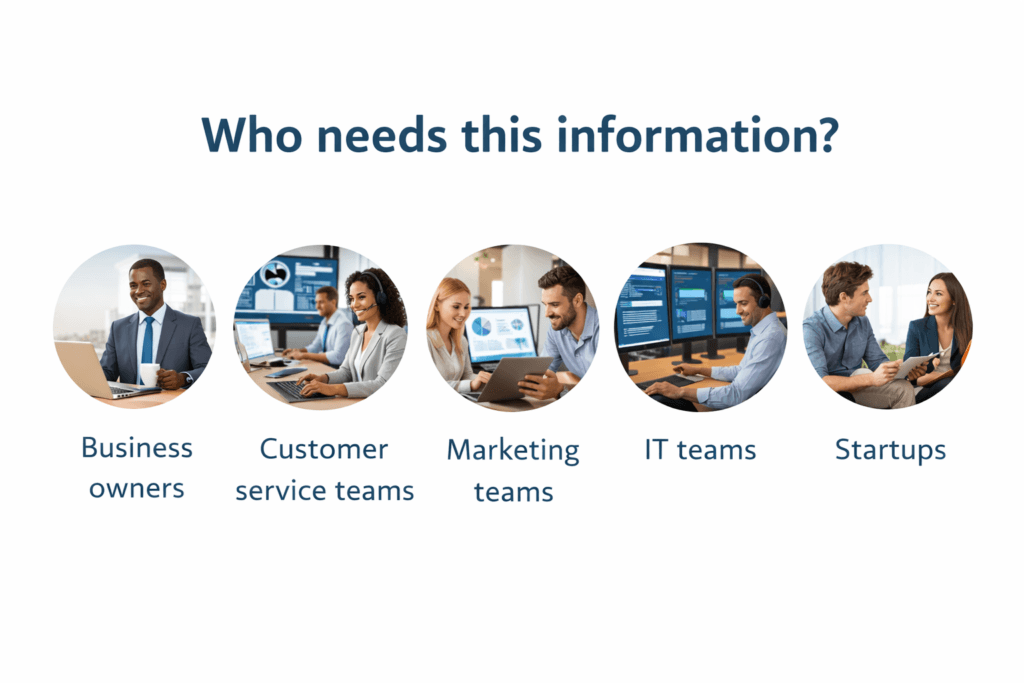
First, what makes this technology special? Unlike basic chatbots that use scripts, conversational AI actually understands what people mean. It uses machine learning to grasp context and intent. It remembers past talks. It gives answers that feel human.
The tech combines several smart tools. Natural language processing figures out what users ask. Dialogue systems keep track of the conversation. Smart algorithms create helpful responses. All of this happens in seconds.
Leading Companies Driving Change
Google Cloud
Google offers Dialogflow and Contact Center AI. These tools use Google’s powerful language models. They work in over 30 languages.
What makes Google stand out? Easy connection to other Google services. You can link your AI chat to analytics tools and data storage. The system works for both voice calls and text chats.
Microsoft
Microsoft brings two solutions to the table. Azure Bot Service helps developers build smart bots. Power Virtual Agents lets business teams create bots without coding.
The real win here is integration. These bots work inside Microsoft Teams and Slack. That means you can start helping employees right away. Companies use Microsoft’s AI to handle IT help requests and HR questions.
Amazon Web Services
Amazon Lex uses the same tech that powers Alexa. It’s great for understanding what users want. The system connects easily with other Amazon services.
If you already use AWS, Lex fits right in. You can pull data from Amazon databases and run code when users ask questions. Amazon charges based on what you use.
IBM Watson Assistant
IBM has worked in AI for decades. Watson Assistant handles complex questions well. It knows industry terms. Banks, hospitals, and other regulated fields like IBM’s focus on security.
Watson includes ready-made content for different industries. You can start with templates instead of building from scratch. This speeds up setup time.
Moveworks
Moveworks focuses on helping employees, not customers. It works with Teams, Slack, and IT systems to solve workplace issues.
Here’s what’s different. Moveworks doesn’t just answer questions. It actually fixes problems. Need a password reset? The system does it. The AI understands company permissions and knows who can do what.
Kore.ai
Kore.ai works for both customer service and employee support. It handles over 100 languages. Global companies find this feature valuable.
The platform gives you deep analytics. You can see what people ask about most. You can spot chances to automate more tasks.
Cognigy
Cognigy helps companies transform their contact centers. It handles both voice calls and text chats. The platform scales for big operations.
It automates simple calls completely. For harder calls, it helps human agents with AI suggestions. This hybrid model works well.
ElevenLabs
ElevenLabs specializes in voice AI. Their agents sound remarkably human. They use natural speech patterns. They handle when people interrupt.
For phone-based service, ElevenLabs shines. The voices include emotion and tone. Customers often can’t tell they’re talking to AI.
PolyAI
PolyAI builds AI for customer service calls. The system handles different accents well. It works even with background noise.
Companies report strong returns on investment. Forrester research found ROI between 331% and 391% over three years. The AI cuts call times while making customers happier.
Deepgram
Deepgram focuses on voice recognition. Their speech-to-text is highly accurate. This helps companies build voice-first apps.
The platform captures what people say, even in noisy settings. Voice apps need great speech recognition. Deepgram delivers that foundation.
Industry Applications

Different industries are adopting AI chat at different speeds. Retail leads the way with 21.2% of the market. Online stores use AI to suggest products and answer questions.
Healthcare is another big user. The tech will save US healthcare $150 billion per year by 2026. Hospitals use AI to book appointments and check symptoms.
Banks and phone companies also use it heavily. Any business that needs 24/7 support sees benefits.
The Growing Market
The market will grow at 21% per year through 2034. It will reach $82.46 billion by then. Several trends drive this growth.
First, new AI models keep getting better. They handle subtle conversations and create smart answers.
Second, voice AI is taking off. The US will have 157 million voice assistant users by 2026. More people want to talk, not type.
Third, AI is getting more emotionally smart. Modern systems detect if you’re frustrated or happy. They adjust their tone to match.
Choosing the Right Partner
Several factors matter when choosing a platform. First, check if it connects to your current tools. The AI needs to work with your CRM and help desk.
Second, make sure it can grow with you. Pick a system that handles more traffic later.
Third, look at security. If you handle sensitive data, you need strong protections.
Fourth, decide how much control you need. Some platforms let developers build anything. Others use simple interfaces that anyone can use.
Making the Decision
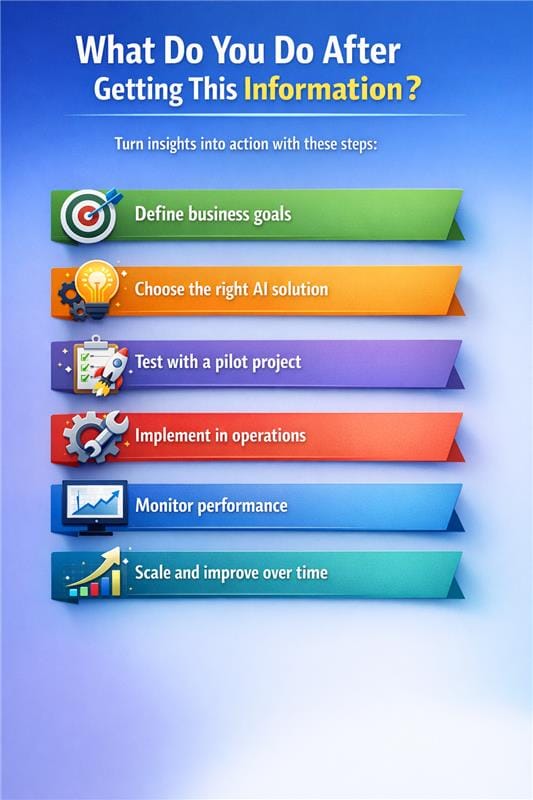
Start by defining your goals. Do you want to improve customer service? Automate employee support? Reduce call center costs?
Next, test a few platforms. Most companies offer free trials. See which one feels right for your team.
Look at the data. Which platform gives you the best analytics? Can you track performance and improve over time?
Consider your budget. Some platforms charge per conversation. Others use monthly fees. Pick a pricing model that fits your needs.
Implementation Tips
Don’t try to do everything at once. Start with one use case. Get it working well. Then expand to other areas.
Train your team. Make sure they understand how the AI works. They should know when to let it handle things and when to step in.
Monitor performance closely. Watch the metrics. See what’s working and what’s not. Adjust as you go.
Gather feedback from users. Ask customers if they like the AI chat. Ask employees if it helps them work better.
The Bottom Line
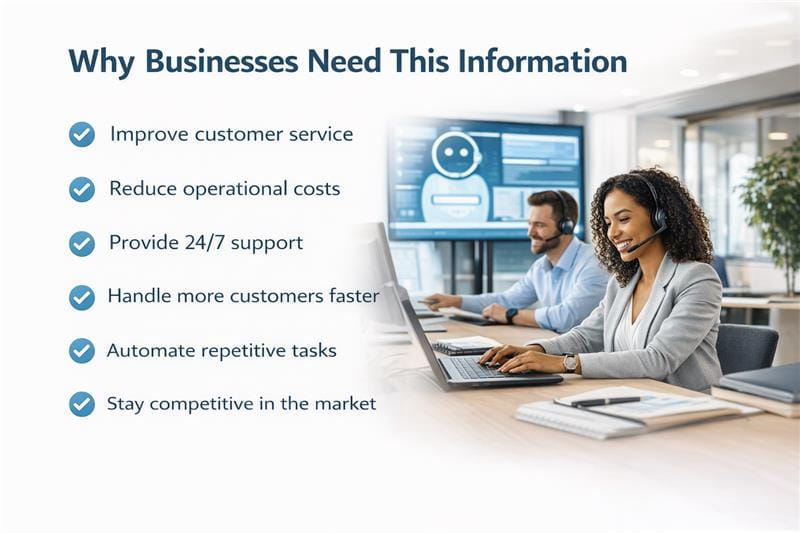
AI chat has moved from future tech to current need. 80% of businesses will use AI voice technology by 2026. The question isn’t if you should adopt it. It’s which partner will help you succeed.
The companies listed here lead the industry. Each brings different strengths. Some excel at voice. Others focus on text. Some work best for customers. Others help employees.
Whether you want better customer service or smarter internal support, these companies can help. They have the technology and the track record.
Business communication is becoming conversational. It’s getting smarter. It’s available all day, every day.
The market data is clear. Conversational AI saves money while improving service. Gartner’s $80 billion savings projection for 2026 shows the massive impact.
Companies that adopt now gain a competitive edge. They serve customers better. They free up staff for higher-value work. They operate more efficiently.
Start exploring what conversational AI can do for your business. Pick a partner from this list. Run a pilot project. Measure the results.
The future of customer interaction is here. It’s powered by AI. It’s more natural than ever before. And it’s ready to transform how you do business.
Market Data & Growth
- Fortune Business Insights
Conversational AI Market Size, Share & Forecast (2026–2034)
https://www.fortunebusinessinsights.com/conversational-ai-market-109850 - Grand View Research
Conversational AI Market Industry Report
https://www.grandviewresearch.com/industry-analysis/conversational-ai-market-report - Precedence Research
Conversational AI Market Size & Forecast
https://www.precedenceresearch.com/conversational-ai-market - Cost Savings & ROI- Gartner
Conversational AI cost savings insights (via industry reports)
Forrester Research (via PolyAI case study)
ROI and cost savings from AI deployments - Adoption & Usage Statistics
- Nextiva – 50+ Conversational AI Statistics for 2026
https://www.nextiva.com/blog/conversational-ai-statistics.html - Ringly – Voice AI Statistics 2026
https://www.ringly.io/blog/voice-ai-statistics-2026 - Industry Insights & Trends
Retell AI
Conversational AI Platforms Analysis
https://www.retellai.com/blog/conversational-ai-platforms
GoGloby
Conversational AI Development Insights
https://gogloby.com/insights/conversational-ai-chatbot-development-companies/
